What to Order If You’re New to Jamaican Food
Walking into a Jamaican restaurant for the first time can feel a little like being handed a map without a legend. The aromas hit first, smoke, allspice, thyme, Scotch bonnet, onions cooked down into gravy, rice steaming somewhere in the back. Then you look up at the menu and see names that may be familiar in passing but not yet attached to a clear taste in your mind: jerk chicken, oxtail, curry goat, escovitch fish, ackee and saltfish, callaloo, festival.
If you are new to Jamaican food, the best first order is not always the most famous one. It depends on how much heat you enjoy, whether you prefer bone-in meats or cleaner bites, and whether you want something deeply savory, gently comforting, or bright and punchy. Jamaican cooking has range. It can be fiery, but it is not only about spice. It can be rich, but it is not heavy in a one-note way. At its best, it balances smoke, sweetness, herbaceousness, acidity, and slow-cooked depth.
A good first meal should https://andrerbya908.pinehavenscope.com/posts/timeless-jamaican-food-dishes-everyone-should-know give you that balance without throwing you into the deep end. The goal is not to prove anything. It is to get a plate that makes immediate sense and leaves you curious for the next visit.
Start with the dishes that show the style clearly
If someone asks me where to begin with Jamaican food, I usually steer them toward dishes that reveal the cuisine’s core instincts: bold seasoning, careful marination, layered gravies, and sides that matter just as much as the protein. The classics exist for a reason, but some are better for first-timers than others.
Here are five smart first orders, depending on what you usually like:
- Jerk chicken with rice and peas
- Oxtail with rice and peas and steamed cabbage
- Brown stew chicken
- Curry goat, if you are comfortable eating around bones
- Escovitch fish, if you prefer seafood and brighter flavors
That list is short on purpose. A newcomer does not need a complete survey of the menu. You need an order with a high chance of success.
Jerk chicken is often the gateway, and for good reason. It is widely available, it smells irresistible, and it shows off one of Jamaica’s most recognized flavor profiles. Proper jerk is not just spicy chicken. The seasoning usually brings together Scotch bonnet, allspice, thyme, scallion, garlic, ginger, and often a little sweetness to round it out. The meat should be deeply seasoned, with char from the grill or smoker. Some places lean aggressive and smoky, others sweeter and milder. If you like barbecue, roasted chicken, or any food with a dark crust and juicy interior, jerk chicken is an easy yes.
That said, not every jerk chicken is equally beginner-friendly. A great version has heat, but also fragrance and depth. A weak version is just spicy. If you are worried about heat, ask whether the jerk is mild, medium, or hot. Restaurants vary a lot. One kitchen’s “medium” is another kitchen’s “careful.”
Oxtail is another excellent first order, especially if you tend to prefer braises and slow-cooked dishes. Jamaican oxtail is usually simmered until it becomes spoon-tender, then served in a glossy gravy that tastes of browning, onion, thyme, garlic, and butter beans. It is rich, sticky, and deeply satisfying. If you like short ribs, pot roast, or any dish where sauce matters as much as the meat, this is a strong choice. The only hesitation is practical: oxtail tends to be one of the pricier items on the menu, and some people do not want to navigate bones on a first visit. If that does not bother you, it is one of the most rewarding plates you can order.
Brown stew chicken is the sleeper hit for beginners. It rarely gets the same spotlight as jerk, but it should. Chicken is seasoned, browned, and simmered in a savory gravy with peppers, onions, carrots, and herbs until the whole dish tastes rounded and homey. It is usually less spicy than jerk, easier to eat, and deeply representative of everyday Jamaican comfort cooking. If you want a dish that feels approachable but still unmistakably Jamaican, brown stew chicken is hard to beat.
Curry goat is another favorite, but it depends on your comfort with texture and bones. Jamaican curry is not the same as Indian curry, though there is historical influence there. It tends to be earthy, aromatic, and less creamy, with a stronger emphasis on spices cooked into the meat. A good curry goat has tenderness without falling apart into mush, and the sauce should cling rather than flood the plate. If you enjoy lamb, stews, or robust spice blends, this can be an outstanding first order. If you dislike picking around small bones, save it for visit two.
Escovitch fish is what I recommend to seafood lovers who want something livelier than a stew. It is usually a whole fried fish topped with a sharp mixture of pickled vegetables, often carrots, onions, and peppers. The contrast is the point: crisp skin, tender flesh, hot oil, then that vinegary topping cutting straight through the richness. It is not the safest order if you are squeamish about bones or whole fish presentation, but if that does not bother you, it is one of the most exciting dishes on many Jamaican menus.
What makes a plate feel “complete”
A common mistake for first-timers is to focus entirely on the main protein and treat the sides as filler. In Jamaican food, the sides are part of the experience. They absorb sauces, offset heat, and bring their own texture and flavor.
Rice and peas is the default side for many dishes, and despite the name, the “peas” are often kidney beans or pigeon peas depending on the kitchen. The rice is usually cooked with coconut milk, thyme, scallion, and spices, so it is not plain background starch. On a well-made plate, it is fragrant enough to eat on its own, but even better once it catches gravy from oxtail or brown stew chicken.
Plantains matter more than many people expect. Ripe plantains, often fried until caramelized at the edges, add sweetness that softens spicy or salty flavors. If your main dish has heat, plantains can make the whole meal feel more balanced. I have watched plenty of people who swore they were “not into sweet sides” change their mind after one bite alongside jerk chicken.
Steamed cabbage is another side worth taking seriously. In a good restaurant, it is not limp diet food. It is lightly seasoned, often with carrots and peppers, cooked just enough to turn silky while keeping a little bite. Against the richness of oxtail or curry goat, it does real work.
Then there is festival, a slightly sweet fried dough often served with fish or jerk. It sits somewhere between bread and fritter, with a crisp exterior and a soft interior. If you are deciding between a second starch and something more interesting, festival often wins. It is especially good with spicy meat because it takes the edge off without dulling flavor.
If you want the easiest first order, choose this combination
If your goal is simply to have the best possible first experience, not the most adventurous one, order jerk chicken with rice and peas, plus one extra side of plantains or steamed cabbage depending on your taste. That combination usually gives you the clearest, friendliest introduction to Jamaican food.
Why does it work so well? First, chicken is familiar. Second, jerk seasoning is distinctive without being obscure. Third, rice and peas ties the whole meal together. Finally, the extra side adds balance. Plantains if you want sweet contrast. Cabbage if you want something savory and lighter.
That plate also tells you a lot about the restaurant. If the jerk is juicy and smoky, the rice fragrant, and the sides clearly seasoned rather than neglected, you are probably in good hands. If everything tastes flat except the hot sauce, that is useful information too.
Dishes that are worth trying, but not always first
Some famous Jamaican dishes are wonderful, but they ask a little more of the diner. That does not make them difficult. It just means they are better when you already have one meal’s worth of context.
Ackee and saltfish is Jamaica’s national dish and absolutely worth trying. Ackee has a soft, delicate texture that people often compare loosely to scrambled eggs, though it does not taste like eggs. Saltfish brings the savory, briny backbone. When cooked well with onion, tomato, scallion, and peppers, the dish is balanced and deeply satisfying. For breakfast or brunch, it is a classic. For a first-ever Jamaican meal, some newcomers are thrown by the texture and by the idea of salted cod if they have never had it before. If you are curious and open-minded, go for it. If you want the easiest entry point, start elsewhere and come back.
Callaloo can also be excellent, usually as a side or with breakfast. It is a leafy green dish, often cooked down with onions, garlic, thyme, and peppers. Anyone who likes spinach or collards will likely enjoy it, though callaloo has its own character. It is not usually the centerpiece of a first meal, but it is a smart add-on if you want something distinctly Jamaican and not too heavy.
Patties deserve attention too. A Jamaican patty, ideally with a flaky golden crust and a well-seasoned filling, is one of the great grab-and-go foods anywhere. Beef is the classic starting point, but chicken, vegetable, and spicy variations are common. A patty is a great introduction if you are not ready for a full plate, or if you are visiting a bakery rather than a full restaurant. Just know that a patty gives you only one slice of the cuisine. It is a snack or light meal, not the whole picture.
Soup can be surprisingly memorable, especially on weekends, when some restaurants offer more elaborate pots. Goat head soup, red peas soup, chicken soup, and fish tea all have loyal followings. For first-timers, red peas soup is often the easiest bridge. It is hearty, thick, and satisfying, often with beans, dumplings, and meat. Fish tea, despite the name, is a savory broth rather than anything delicate or English. If you love soups, these can be great, but they are not the most obvious starting point unless the restaurant is known for them.
How to order without feeling lost
Menus vary from place to place. Some spots run like quick-service counters where you point to trays. Others are sit-down restaurants with longer menus and daily specials. Either way, a little strategy helps.
- Ask which dishes are house specialties today
- Check whether heat levels vary for jerk and sauces
- Confirm whether a dish is bone-in, especially curry goat and fish
- Choose one familiar item and one new side
- If portions are large, plan to share or take some home
That last point is practical, not cautious. Jamaican restaurant portions are often generous, especially for lunch plates. A proper oxtail dinner with rice and peas and sides can be enough for two lighter eaters, or at least one dinner plus a next-day lunch. If you are ordering several things for the table, do not overdo the mains. Better to add an extra side or a patty than end up with three giant braises competing on the same table.
It is also worth asking whether the fish is served whole and whether the patty is made in-house. Those little details tell you a lot. A restaurant proud of its fish, soup, or patties will usually say so immediately.
Heat, spice, and the Scotch bonnet question
Many people approach Jamaican food expecting every dish to be intensely spicy. That is not quite right. Jamaican food is boldly seasoned, but “bold” does not automatically mean “hot.” Scotch bonnet peppers are central to many recipes, and they bring real heat, but a lot of the cuisine relies just as much on allspice, thyme, scallion, ginger, garlic, pimento, and browning for character.
Jerk is the dish most likely to run hot, especially at places that take pride in traditional fire and smoke. Even then, there is variation. Some kitchens build the heat into the marinade. Others let the spice sit more in a finishing sauce. That means one restaurant’s jerk might be warmly spicy and aromatic, while another’s could make your forehead bead after three bites.
If you like spice, ask for pepper sauce on the side rather than assuming the dish will arrive blazing. If you do not like spice, say so directly. Most places are used to that question. It is better to ask than to spend the meal recovering with a glass of water and untouched cabbage.
One practical note from experience: sweet drinks and starchy sides usually help more than plain water. Sorrel, a sweetened hibiscus-style drink often served around the holidays but available in some restaurants year-round, is particularly good with spicy food. So is a cold ginger beer, though the stronger versions can have a spicy kick of their own.
What to order based on what you already love
People often do better with recommendations when they can anchor them to foods they already know.
If you love barbecue, go for jerk chicken. You will recognize the pleasure of smoke, char, and sticky, seasoned meat, but the seasoning profile will take you somewhere new.
If you love pot roast, braised short ribs, or rich gravies, oxtail is your best bet. It scratches the same itch, just with more spice and a different aromatic backbone.
If roast chicken and home-style comfort food are your thing, order brown stew chicken. It is one of the least risky and most satisfying plates on the menu.
If you enjoy curries, stews, or lamb dishes, try curry goat. Just be ready for bones and a slightly different spice structure than the curries you may know from South Asian restaurants.
If you usually order fried fish, ceviche, or bright seafood dishes, escovitch fish will likely make sense to you. It has acidity, crunch, and richness in one plate.
This kind of matching matters because “best” is always personal. A seafood lover might find jerk chicken excellent but still leave happier with fish. Someone who dislikes sweet notes may not care about plantains but adore steamed cabbage. A first order should suit your palate, not a generic version of bravery.
A word on authenticity and restaurant style
People talk about authenticity in ways that can be more confusing than helpful. Jamaican food, like any living cuisine, shifts across homes, regions, migration patterns, and restaurant formats. A steam-table lunch spot in Brooklyn, a roadside jerk pan in Jamaica, and a polished dining room in London may all serve “jamaican food,” but the experience will not be identical.
For a beginner, the more useful question is whether the restaurant cooks with conviction. Does the jerk taste marinated and charred, or merely dusted with spice? Does the curry have depth, or just turmeric color? Are the sides seasoned and deliberate? Is the gravy something you want to drag rice through until the plate is clean?
I have had excellent Jamaican food in tiny takeout shops where the menu board looked twenty years old, and forgettable versions in sleek rooms with better lighting. Pay attention to the line, the smell, and the confidence of the staff. If several people are waiting specifically for soup, fish, or a tray of fresh patties, that usually means something.
If you are ordering for a group
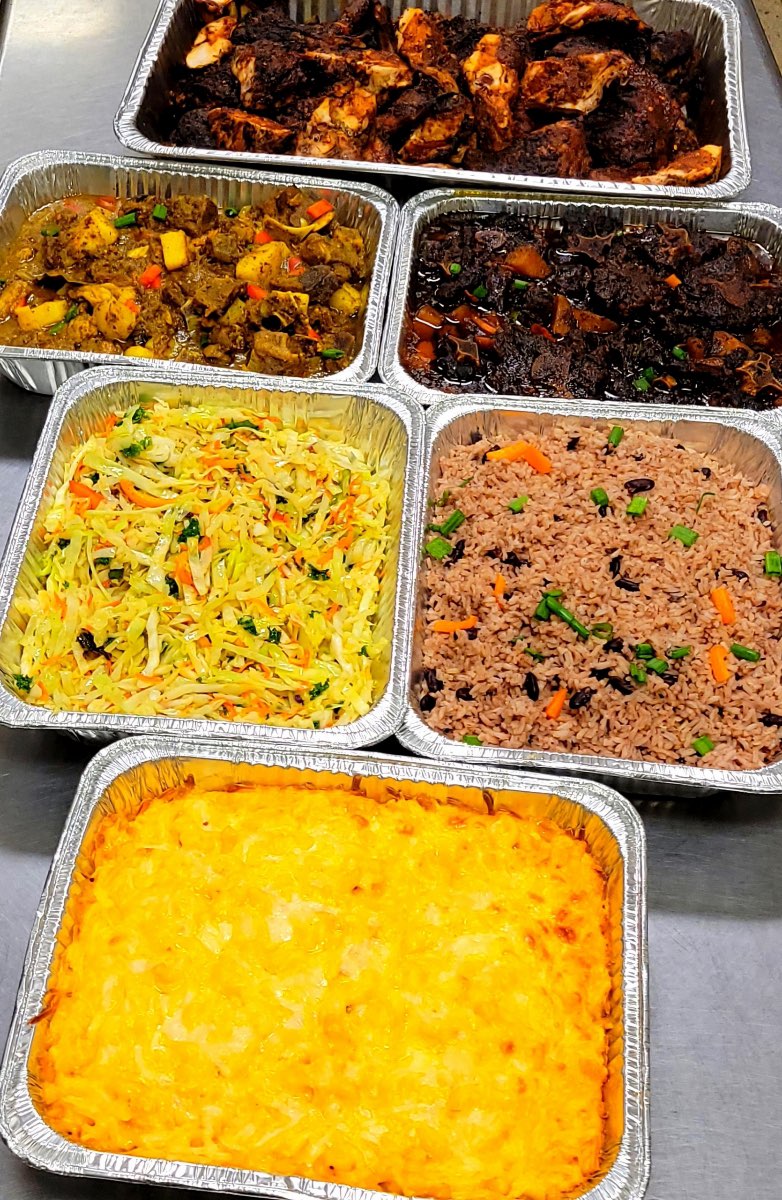
The best group strategy is to mix styles rather than repeat them. One grilled item, one braised item, one seafood dish if the restaurant does it well, then enough sides for contrast. That lets everyone taste the breadth of the cuisine. Jamaican food shines in shared meals because the gravies, peppers, and sweet sides bounce off each other.
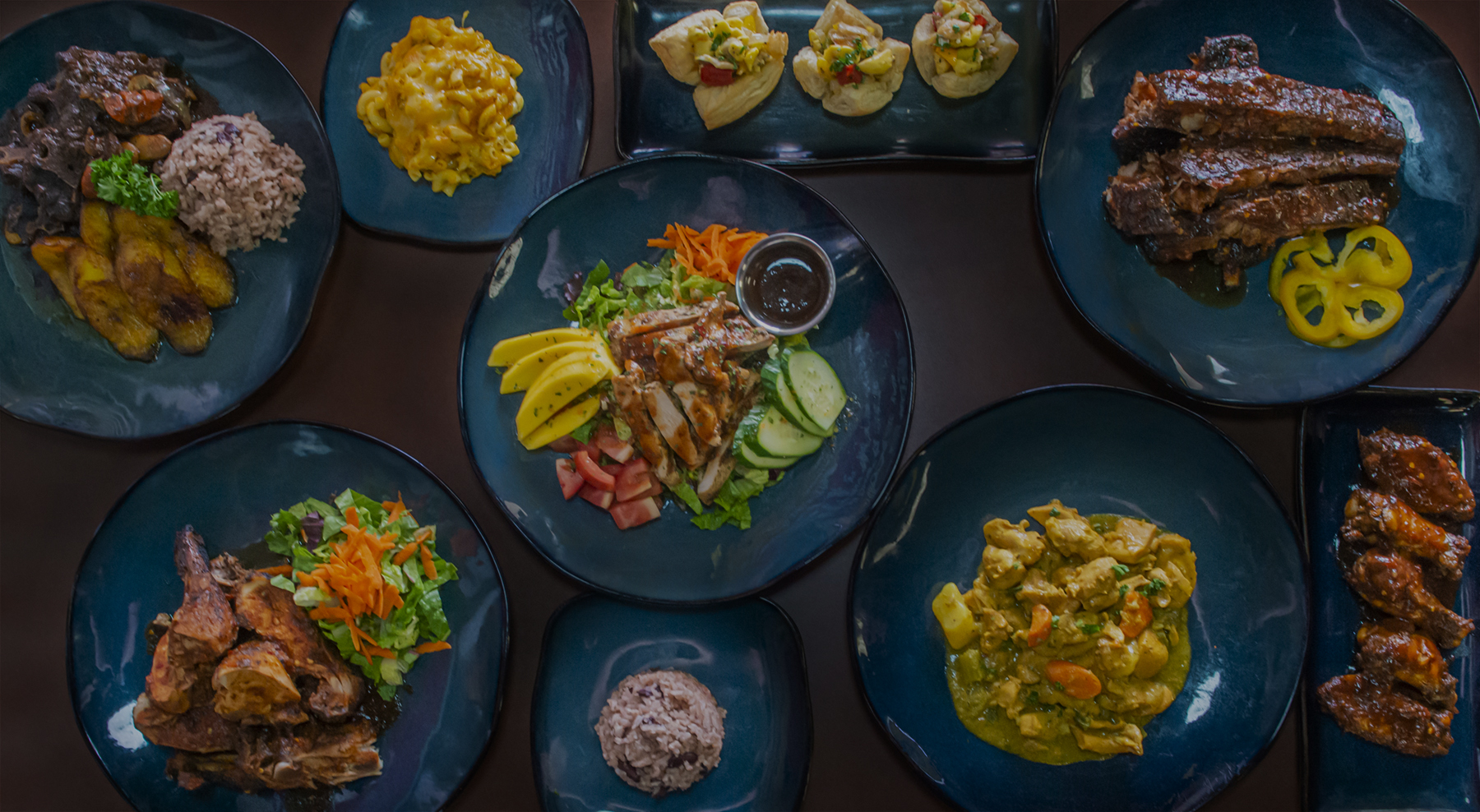
For a table of four, I would be very happy with jerk chicken, oxtail, escovitch fish, rice and peas, steamed cabbage, and plantains. That covers smoke, richness, acidity, sweetness, and comfort without turning the table into a contest of who ordered the biggest bowl of meat.
The order that usually wins people over
After years of watching first-timers try Jamaican food, one pattern comes up again and again. The people who leave most enthusiastic usually ordered one dish with immediate familiarity and one element that surprised them. Maybe it was jerk chicken plus festival. Maybe brown stew chicken plus callaloo. Maybe oxtail plus plantains they assumed they would ignore and ended up finishing first.
So if you want the safest advice, it is this: start with jerk chicken or brown stew chicken if you want the easiest path, oxtail if you want the richest reward, curry goat if you enjoy stew and do not mind bones, or escovitch fish if seafood is your comfort zone. Always get rice and peas. Add one side that brings contrast, not duplication. Ask a quick question about heat if you are unsure.
That first plate does not need to cover the whole cuisine. It only needs to make you want the second one. Jamaican food is generous that way. One good meal tends to open the door to the next.
Reggae Pot Jamaican Grill
7562 S University Blvd C, Centennial, CO 80122
(303) 997-5623
FAQ About jamaican food
What is the best Jamaican food to try in Centennial?
The best choice depends on your preferences. Reggae Pot Jamaican Grill offers jerk chicken, curry goat, oxtail, and escovitch snapper, along with sides such as rice and peas and fried plantains. Ask the restaurant about current availability and spice levels before ordering.
Is Jamaican food very spicy in Centennial?
Heat varies by dish and preparation. Jerk dishes can be hot, while some stews and sides are milder. Tell the restaurant your preferred heat level and ask which options suit you.
What is typically on a Jamaican menu?
Common choices include jerk chicken, curries, oxtail, fish, patties, rice and peas, and plantains. Reggae Pot also lists ackee and saltfish and vegetable dishes. Menus and availability can change, so confirm your choices when ordering.